
Puppy Jumping Up: How to Stop It
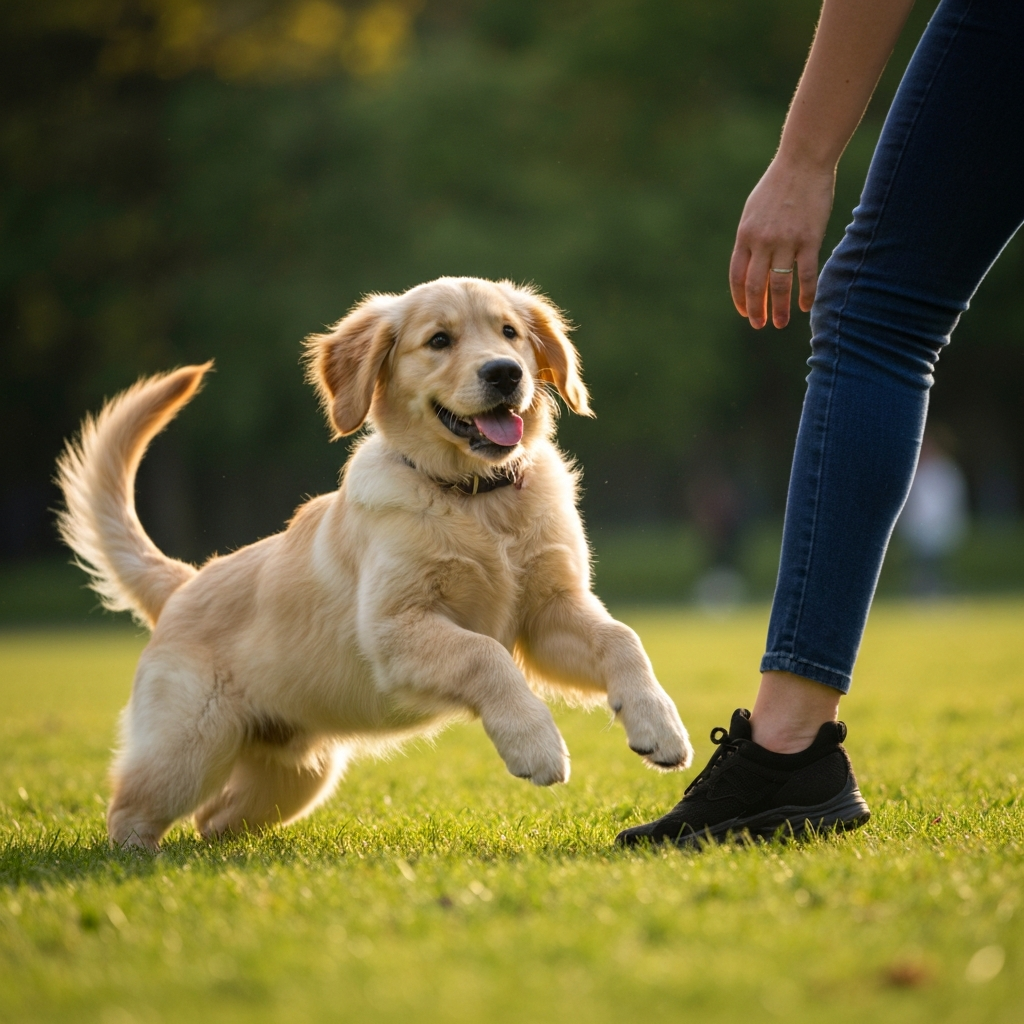
An excited puppy jumping up may seem adorable at first, but it can quickly become problematic as they grow older or they do the same to children. This behaviour, often done out of excitement or seeking attention, is one that most dog owners want to curb early on. At The Family Dog Academy, based in Newbury, Berkshire, it's one of the most common challenges we help local puppy owners with. In this blog, we'll learn why puppies jump up and how to train your puppy to greet people with paws on the ground.
Table of Contents
- Why Do Puppies Jump Up?
- Common Misconceptions About Puppy Jumping Up
- Get The Puppy Planning Playbook
- How to Teach Your Puppy Not to Jump Up
- 1. Ignore the Behaviour
- 2. Teach a Positive Greeting Behavior
- 3. Practice Calmness in Exciting Situations
- 4. Use a Consistent Cue
- 5. Provide Mental and Physical Exercise
- Common Mistakes to Avoid When Training
- Final Thoughts
- Comments (2)
- Related Articles
- Join Our Pack
Why Do Puppies Jump Up?
Jumping Up is a natural behaviour for dogs, often rooted in their instincts and desire for attention. Puppies typically jump up to greet people at face level. They may also be mimicking their littermates, who often jump and play with each other to bond. Understanding the reasons behind this behaviour can help you train them effectively.
Common Misconceptions About Puppy Jumping Up
Understanding common misconceptions about puppies jumping up can help you avoid mistakes and train effectively. Here are a few myths to watch out for:
- "Puppy Jumping Up Is Just a Phase": Many assume puppies will grow out of jumping up. In reality, without training, this behaviour often becomes a habit as they get older. Starting training early is key.
- "They Only Jump Because They're Excited": While excitement plays a role, puppies also jump up to get attention or connect face-to-face. Recognising this helps in using consistent training to guide them toward calm greetings.
- "Pushing Them Down Will Stop Puppy Jumping Up": Physical responses can confuse or even encourage a puppy to jump more, as they may see it as interaction. Ignoring jumping and rewarding calm behaviour is more effective.
- "Ignoring Them Once Will Be Enough": Training requires consistent effort. Ignoring a jumping puppy and rewarding calm behavior needs to happen regularly to reinforce the lesson.
- "All Puppies Eventually Learn Not to Jump": Puppies need direction and consistency to change this behavior. Without training, many will continue to jump up as adults.
Get The Puppy Planning Playbook
Thinking of getting a puppy? Download our free 9-page workbook to help you choose the right breed, evaluate breeders, and prepare your home.
Download Free Planning PlaybookHow to Teach Your Puppy Not to Jump Up
As your puppy grows, what was once a small, playful jump can become a challenging, even risky, behaviour if not addressed early. Teaching your puppy good manners now will ensure a safer, more enjoyable environment for everyone.
1. Ignore the Behaviour
One of the most effective ways to curb jumping is to avoid giving your puppy attention when they jump up. Any reaction—positive or negative—can encourage them to keep jumping up. When your puppy jumps, twist your body until they drop back to the floor, cross your arms, and avoid making eye contact. Once they have all four paws on the ground, reward them with attention.
2. Teach a Positive Greeting Behavior
Redirect your puppy jumping up with a positive greeting behaviour, like sitting. Use treats and praise to reinforce this cue. Ask your puppy to "sit" before giving them attention, treats, or toys. Consistent rewards for sitting will encourage them to use this behaviour instead of jumping up.
3. Practice Calmness in Exciting Situations
Puppies often jump up out of excitement. Practice having calm greetings with your puppy by keeping your own energy low when you walk through the door or meet them after a long day. Encourage guests to avoid petting or playing with your puppy until they're calm. This helps reinforce that jumping up doesn't lead to attention.
4. Use a Consistent Cue
Introduce a gentle, firm cue. We suggest "Sit". Sitting is a behaviour that is natural to dogs and with regular training can become a powerful cue. Also with "Sit" if your dog is sitting, they cannot be jumping up. Avoid using physical corrections, as they can confuse or scare your puppy. Instead, reinforce "Sit" by marking and rewarding.
Ensure everyone in the household uses the same approach for consistency. Mixed signals can confuse your puppy and slow down the learning process.
5. Provide Mental and Physical Exercise
Puppies often jump up because they're bursting with energy. Ensuring they have enough mental and physical stimulation can help reduce unwanted behaviours. Engage your puppy with interactive toys, puzzles, or play sessions to burn off excess energy.
Common Mistakes to Avoid When Training
- Giving Any Attention to Jumping: Even a "no" or pushing your puppy down can feel like attention and reinforce the behavior. Instead, ignore them until all paws are on the ground.
- Inconsistent Cues: Use one cue, like "Sit," and make sure everyone uses it consistently to avoid confusion.
- Rewarding Puppy Jumping Up by Accident: Watch for subtle rewards, like petting your puppy after they jump up. Only give attention when they're calm and grounded.
- Expecting Quick Results: Training takes time. Be patient, celebrate small improvements, and keep reinforcing the behaviour you want.
- Using Physical Punishment: Physical corrections can create fear and don't effectively stop jumping up. Stick to positive reinforcement.
Final Thoughts
Puppy jumping up is a normal part of puppyhood, but with the right training and patience, you can teach your furry friend to greet people politely. Start training early, use positive reinforcement, and be consistent. Before you know it, your puppy will keep all four paws on the ground, greeting everyone with the best manners! Remember "Sit!"
If you're struggling with puppy jumping up and are based in Newbury, Thatcham, Tadley, or the surrounding areas of West Berkshire, we'd love to help. Book a free discovery consultation and we'll create a tailored training plan for you and your puppy. To learn more about The Family Dog Academy's in-home training approach, visit our homepage.
Comments (2)
This was incredibly helpful! We've been struggling with this exact issue for weeks. I'm going to try these techniques starting today.
Great article. The point about positive reinforcement really resonated with me. It makes so much sense when you think about it from the dog's perspective.
Related Articles


Join Our Pack
Sign up for our newsletter to get expert dog training tips, latest blog posts, and exclusive offers delivered straight to your inbox.