
Puppy Toilet Training Guide

Raising a puppy is full of surprises and challenges and toileting is no exception. In fact, housetraining is one of the main challenges we hear about from puppy owners across Newbury, Thatcham, Tadley, and West Berkshire. The good news is that your puppy can easily learn where to go to do their business, especially if you know how to teach them properly. Puppy toilet training is all about consistency, patience, and positive reinforcement. The goal is to instil good habits and build a loving bond with your pup.
Table of Contents
When to Begin Puppy Toilet Training?
It is recommended that you begin puppy toilet training when they are between 8 weeks and 16 weeks old starting off with the basics. At 12 weeks, they have enough control of their bladder and bowel movements to hold it. For a puppy that is older than 12 weeks, toilet training may take longer.
How Long Does it Take to Toilet Train a Puppy?
There is no defined timeframe when it comes to how long it takes to toilet train a puppy. It typically takes 4-6 months for a puppy to be fully toilet trained. However, every puppy is different and many factors come into play. So some puppies may take less or more time.
To cut down on the time it takes to have your puppy fully toilet trained, use positive reinforcement methods and avoid punishing them for accidents.
Signs Your Puppy Needs a Bathroom Break
As your puppy begins to associate outside with the right place to eliminate they will find ways to indicate that they need to go. Here are the most common signs showing your puppy needs to be let out:
- Abrupt changes in activity, behavior, or play
- Circling and whining
- Sniffing and licking their rear
- Scratching, pawing, or sniffing at the door
- Returning to a previously soiled area or spot in the house where they eliminated
Usually, the older the puppy is, the easier it is to identify these signs. Very small puppies may not be able to indicate promptly. If the dog parents fail to understand these signs or don't act quickly, they might find life with their puppy frustrating.
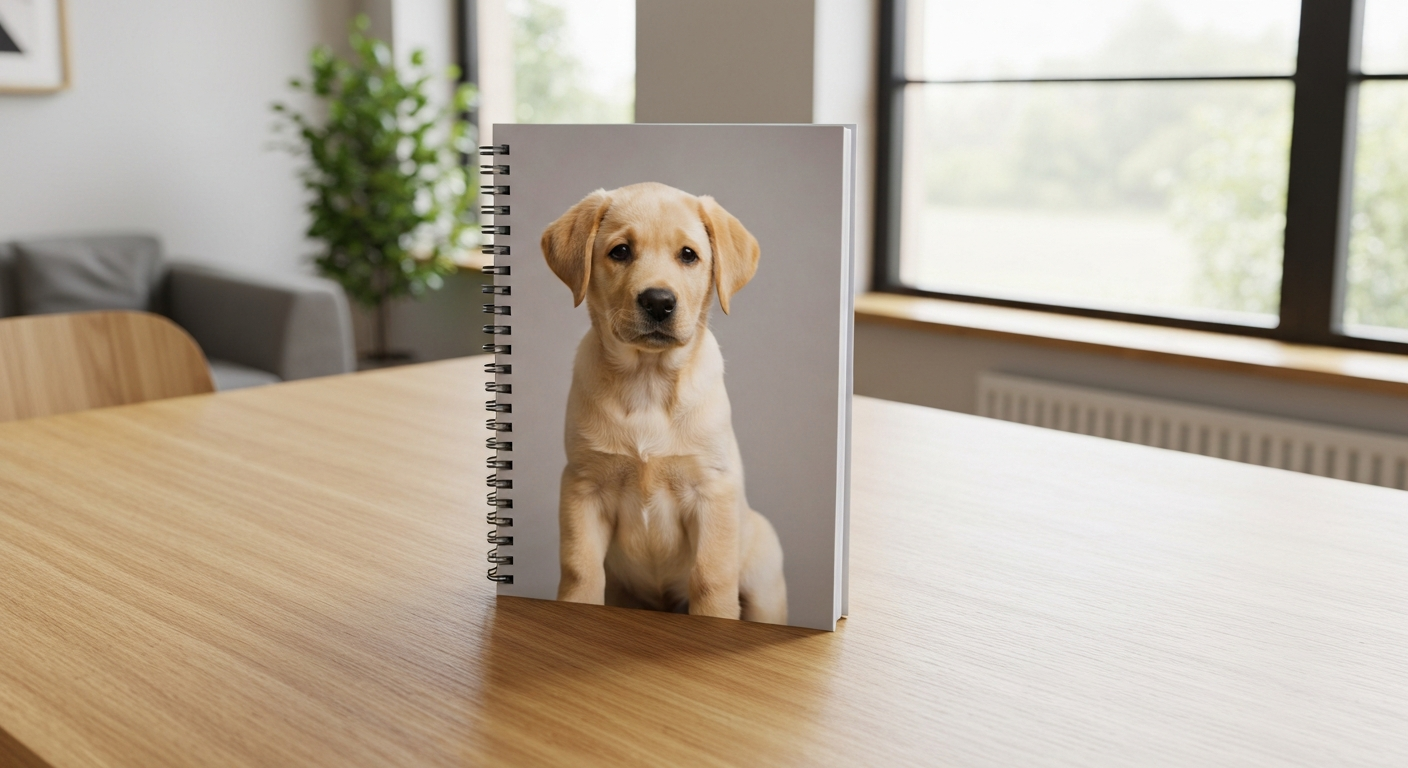
Get The Puppy Planning Playbook
Thinking of getting a puppy? Download our free 9-page workbook to help you choose the right breed, evaluate breeders, and prepare your home.
Download Free Planning PlaybookSteps for Housetraining Your Puppy
If you have already crate-trained your puppy, toilet training will be very easy. It is far easier if your puppy respects what you say. Having a set method will help smooth the way through this initial stage. Being consistent is one of the keys to puppy toilet training.
- Determine a set toileting area: It is best to pick a certain area outside and take your puppy there every time they need to go. The sooner you convey the idea that there is a designated toilet area and that some places are off-limits, the easier it would be to put this messy chapter behind you.
- Teach your puppy the toilet cue: Every time you take your puppy outside to their designated area, use a command. This will teach your puppy to go to that specific location. Use this command only when you want them to go to avoid confusion.
- Regular feeding schedule: Keep the puppy on a regular feeding schedule and be consistent with it. It is recommended that you break up the puppy feeding schedule into two or three small meals. Always take away their food between meals.
- Regular bathroom breaks: Give your puppy at least six bathroom breaks a day. You should expect to take the puppy out first thing in the morning, after meals, after playing, after naps, and before bed.
- Use positive reinforcement methods: Toilet training requires positive reinforcement techniques. Do not punish them for their mistakes like accidents in the house. Your puppy needs to know when he does something good and reward them with praise and treats.
- Use a crate when you're not home: Experts recommend confining the puppy to a defined space or crate when you can't watch them. Your puppy will learn to view the crate as its "home" and will be reluctant to soil its area.
Final Thoughts
House soiling is among the top reasons why puppies lose their homes or end up in shelters. As a responsible dog parent, you must understand how to train your puppy effectively. While you're toilet training, don't worry if there are accidents. Keep in mind that even a house-trained puppy will have accidents. Toilet training a puppy takes time and commitment, so don't lose your patience!
If you're based in Newbury or the surrounding areas of West Berkshire and would like hands-on support with toilet training your puppy, get in touch with The Family Dog Academy. We offer in-home puppy training sessions tailored to you and your puppy's needs — book your free discovery consultation today. For more on dog training in Newbury and West Berkshire, see what we offer.
Comments (2)
This was incredibly helpful! We've been struggling with this exact issue for weeks. I'm going to try these techniques starting today.
Great article. The point about positive reinforcement really resonated with me. It makes so much sense when you think about it from the dog's perspective.
Related Articles

Join Our Pack
Sign up for our newsletter to get expert dog training tips, latest blog posts, and exclusive offers delivered straight to your inbox.