
Coprophagia Explained: Why Do Dogs Eat Poop?
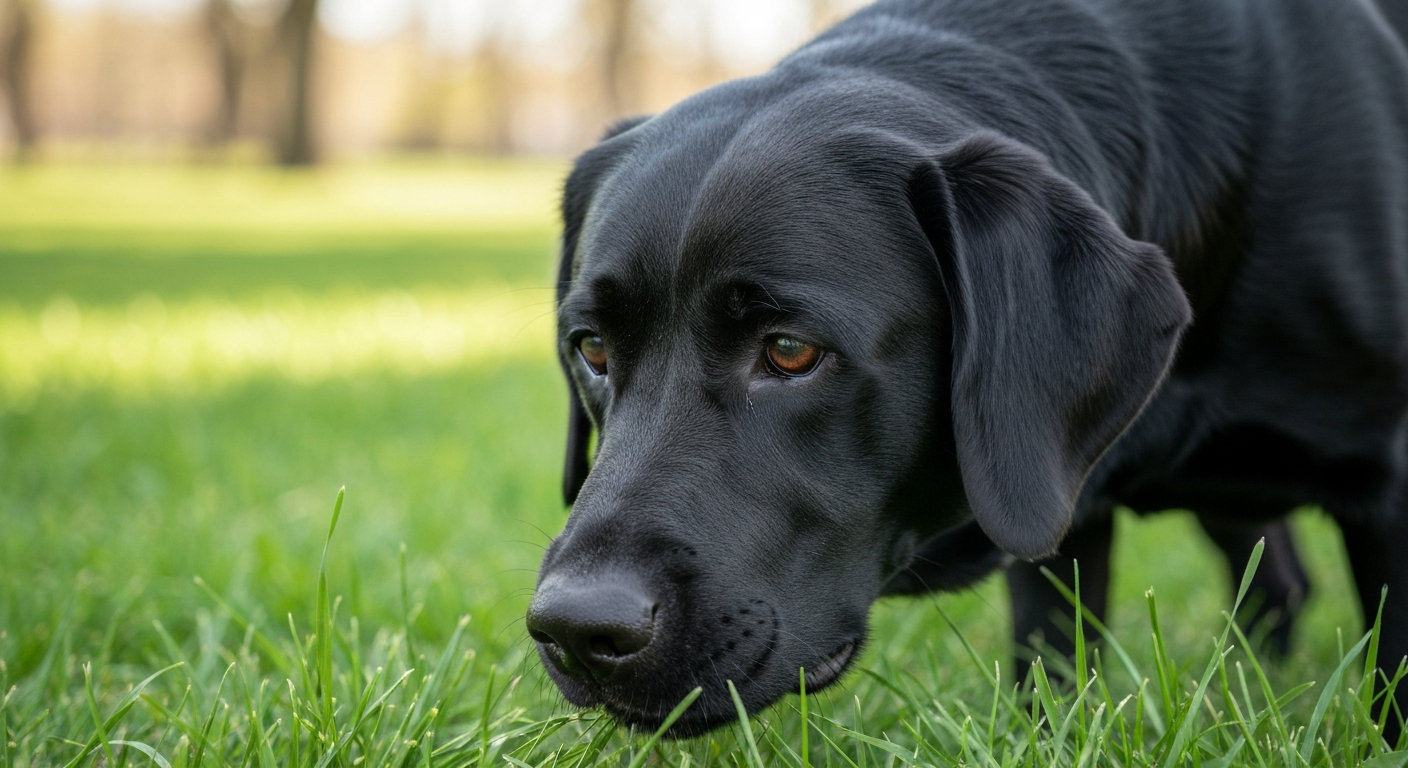
If your dog has ever turned around on a walk and helped themselves to something you’d really rather they didn’t… you’re not alone. Coprophagia is one of the most common—and understandably frustrating—behaviours dog owners face.
Table of Contents
- Is This Normal Behaviour?
- Common Reasons Dogs Eat Poop
- 1. Opportunistic Scavenging
- 2. Attention-Seeking Behaviour
- 3. Boredom or Lack of Stimulation
- 4. Learned Behaviour
- 5. Nutritional Factors (Less Common)
- 6. Cleanliness Instinct (Especially in Puppies)
- Get The Puppy Planning Playbook
- What Should You Do About It?
- 1. Manage the Environment
- 2. Teach a Strong “Leave It”
- 3. Reinforce the Right Choices
- 4. Avoid Chasing or Overreacting
- 5. Improve Mental and Physical Stimulation
- 6. Review Diet (If Needed)
- When Should You Be Concerned?
- The Key Takeaway
- Need Help With This?
- Comments (2)
- Related Articles
- Join Our Pack
Is This Normal Behaviour?
As unpleasant as it feels to us, coprophagia is actually quite natural in the canine world. Dogs explore the world through their noses and mouths, and scavenging behaviour is deeply ingrained. In the wild, this would have helped them survive by making use of every available food source.
Puppies, in particular, often go through a phase of investigating (and sometimes eating) poo. Many grow out of it, but some dogs continue if the behaviour is reinforced—often without the owner realising.
Common Reasons Dogs Eat Poop
1. Opportunistic Scavenging
Some dogs simply see it as food. If it smells interesting, they’ll try it. This is especially common with other animals’ faeces.
2. Attention-Seeking Behaviour
Dogs quickly learn what gets a reaction. If your dog grabs something and you immediately chase, shout, or panic, they may repeat the behaviour because it works.
3. Boredom or Lack of Stimulation
Dogs that aren’t mentally or physically fulfilled may look for ways to entertain themselves—unfortunately, this can include eating things they shouldn’t.
4. Learned Behaviour
If a dog has previously been rewarded (even accidentally) for picking up or eating poo, the habit can stick.
5. Nutritional Factors (Less Common)
Occasionally, diet can play a role—particularly if food isn’t being fully digested or is lacking in certain nutrients. However, this is far less common than behavioural causes.
6. Cleanliness Instinct (Especially in Puppies)
Some dogs will eat faeces to “tidy up” their environment, particularly if they’ve been told off for toileting in the wrong place.
Get The Puppy Planning Playbook
Thinking of getting a puppy? Download our free 9-page workbook to help you choose the right breed, evaluate breeders, and prepare your home.
Download Free Planning PlaybookWhat Should You Do About It?
The key is not to panic or punish—but to manage and train strategically.
1. Manage the Environment
Prevention is your first win.
- Clear your garden regularly
- Keep your dog on lead in high-risk areas
- Stay aware on walks (this is where most incidents happen)
The less opportunity your dog has to practise the behaviour, the faster it fades.
2. Teach a Strong “Leave It”
This is one of the most valuable cues you can teach your dog. Start in a low-distraction environment using food, then gradually build up to real-world scenarios. The goal is simple: your dog learns that ignoring something leads to something better from you. Consistency is critical here.
3. Reinforce the Right Choices
When your dog chooses to ignore something on the ground—mark it and reward it. This flips the learning: Instead of “find and eat quickly,” it becomes “check in with my owner for something better.”
4. Avoid Chasing or Overreacting
It’s tempting to react strongly—but this often makes the behaviour more appealing. From your dog’s perspective, it can turn into a game: “Grab it quick… here comes the human!” Stay calm, interrupt early if you can, and redirect instead.
5. Improve Mental and Physical Stimulation
A fulfilled dog is far less likely to seek out undesirable behaviours.
- Regular walks suited to your dog’s needs
- Training sessions to engage their brain
- Enrichment activities at home (puzzle feeders, scent work, etc.)
6. Review Diet (If Needed)
If the behaviour is persistent, it may be worth reviewing your dog’s diet with your vet or a qualified professional. But in most cases, training and management are the real solution.
When Should You Be Concerned?
If your dog suddenly starts eating faeces out of character, or the behaviour is excessive or obsessive, it’s worth speaking to your vet to rule out any underlying medical issues.
The Key Takeaway
Coprophagia is unpleasant—but it’s not unusual, and it’s very rarely a sign that something is “wrong” with your dog. With the right combination of management, clear training, and consistent reinforcement, you can significantly reduce—and often completely stop—the behaviour.
Need Help With This?
If your dog is eating things they shouldn’t, pulling on the lead to get to them, or simply not listening when it matters most, you don’t have to figure it out alone.
At The Family Dog Academy, we work with you in your home environment to build practical, real-world training that fits your lifestyle. To find out more about private dog training in Newbury and West Berkshire, visit our homepage.
Comments (2)
This was incredibly helpful! We've been struggling with this exact issue for weeks. I'm going to try these techniques starting today.
Great article. The point about positive reinforcement really resonated with me. It makes so much sense when you think about it from the dog's perspective.
Related Articles

Join Our Pack
Sign up for our newsletter to get expert dog training tips, latest blog posts, and exclusive offers delivered straight to your inbox.