
Why Has My Teenage Dog Stopped Listening to Me?
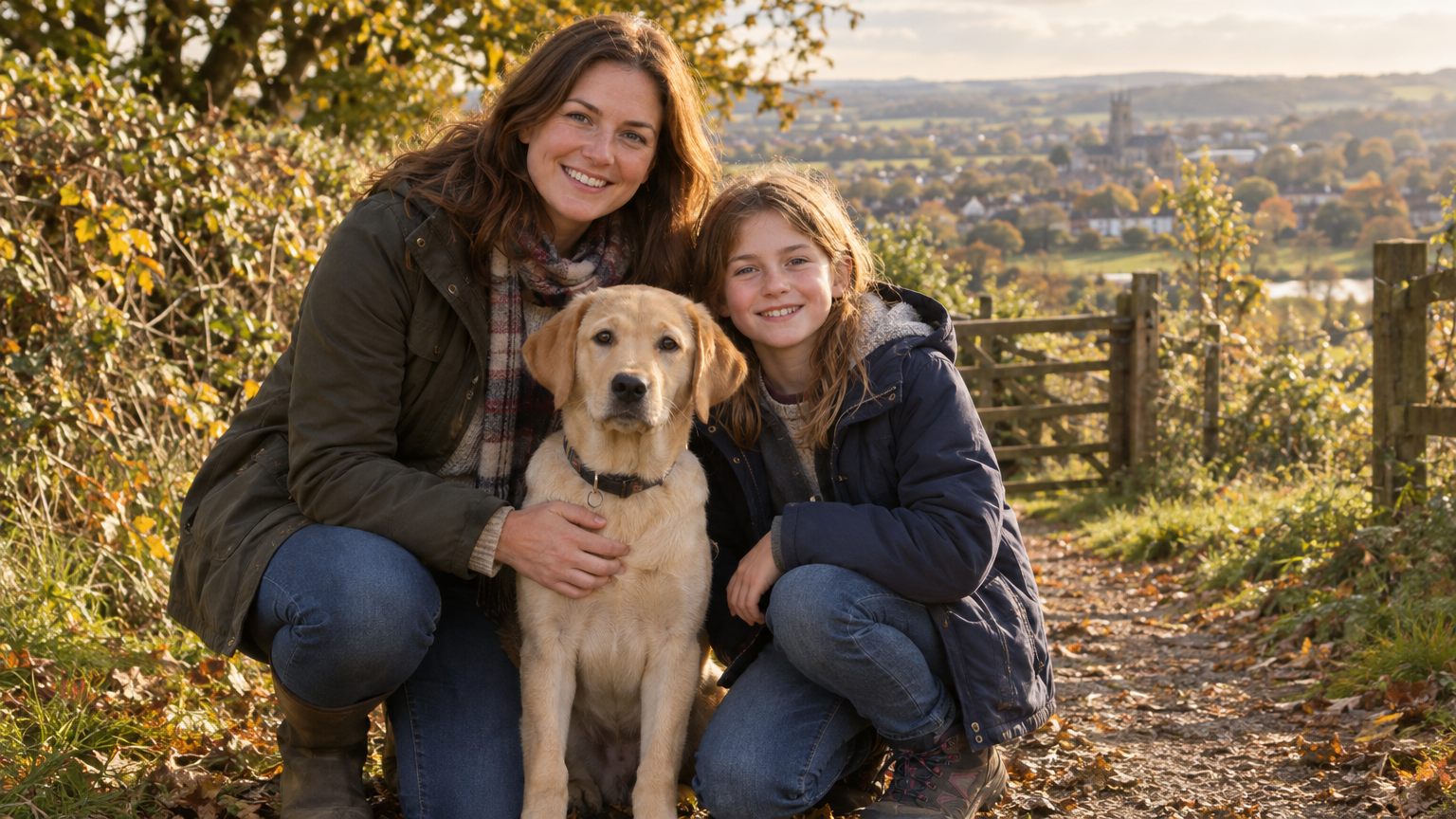
One minute you had a sweet, responsive puppy. Now your dog looks straight at you, hears their name, and carries on regardless. If you're feeling frustrated, embarrassed on the walk, or wondering what you did wrong, please know this is incredibly common, and you haven't done anything wrong. Let's look at what's really going on.
Table of Contents
Why is my teenage dog ignoring me?
Somewhere between about six and eighteen months, many dogs go through an adolescent phase. Their brains and bodies are changing, and they become more independent and easily distracted. They also start to explore the world more boldly.
Your dog isn't being stubborn or "testing who's boss". Dogs don't think that way. Here is what is usually happening:
- The world has become more rewarding than you. Smells, squirrels and other dogs are suddenly very exciting. If your reward isn't more interesting, it loses.
- Training has slipped. In puppyhood we reward often, then life gets busy and the treats fade. Your dog is simply asking, "What's in it for me?"
- Skills don't travel automatically. A dog who sits perfectly in the kitchen may genuinely struggle in a field in West Berkshire. Dogs learn in context, and a new place feels like a new lesson.
- Cues have become background noise. If "come!" has been repeated many times without anything happening, it starts to mean nothing.
- Mixed messages at home. If one person rewards jumping up and another doesn't, your dog gets confused. Consistency across the family matters.
Get The Puppy Planning Playbook
Thinking of getting a puppy? Download our free 9-page workbook to help you choose the right breed, evaluate breeders, and prepare your home.
Download Free Planning PlaybookWhat to do instead
- Go back to basics, without guilt. Treat your dog like a beginner again in busy places. This isn't failure, it's fair.
- Reward generously. Use small, tasty treats, and make them better than the distraction. Praise and a pat won't always compete with a fox-scented hedgerow.
- Say it once. Ask clearly, give your dog a few seconds to respond, and help them succeed. Repeating the cue teaches them to wait for the fourth "come".
- Build distractions gradually. Practise in the kitchen, then the garden, then a quiet street, then a park. Move up only when your dog is succeeding.
- Use a long line for safety. A lightweight training lead lets your dog explore while you stay in control. It is never used for jerking or correcting.
- Make yourself worth coming back to. Reward, then let them go back to sniffing. Recall shouldn't always mean "fun is over".
- Get everyone on the same page. Agree as a family on cues, rules and rewards. Children can join in with simple, safe games.
- Meet their needs. Sniffing walks, chews and short training games help a busy adolescent brain settle.
Common mistakes
- Getting cross when they finally come back. Your dog learns that coming to you means trouble. Always reward the return.
- Repeating the cue louder and louder. It adds pressure, not understanding.
- Giving too much freedom too soon. Off-lead freedom is earned gradually, not given because the dog is "old enough".
- Expecting a puppy's attention from a teenager. Their priorities have changed, so your training has to adapt.
- Using punishment, shouting or harsh equipment. These damage trust and can make behaviour worse. Reward-based, force-free training works with your dog's brain, not against it.
When to get help
Speak to your vet first if the change in behaviour is sudden or sharp. Pain or illness can affect how a dog responds, and it's always worth ruling out.
Please also seek professional one-to-one help if your dog growls, snaps or bites, or if walks have become stressful or unsafe. Aggression involving people shouldn't be tackled with DIY steps. Seeing your dog in their real home and on your real walking route makes all the difference.
FAQs
Is my dog being naughty or dominant?
No. Adolescent dogs are learning, exploring and easily distracted. It's about motivation and context, not dominance.
How long does the teenage phase last?
It varies between dogs and breeds, but many settle as they mature, usually through to around eighteen months or beyond. Calm, consistent training helps a lot along the way.
Should I just wait for them to grow out of it?
It helps to keep training. Dogs don't automatically grow out of habits that have been rewarded, so gentle, consistent guidance now saves frustration later.
Gentle next step
If walks around Newbury have stopped being enjoyable, you don't have to work it out alone. Anthony offers a free in-home discovery consultation, where he meets you and your dog in your own home and, if needed, on your usual walking route. There's no pressure, just calm, practical guidance for your whole family.
Comments (2)
This was incredibly helpful! We've been struggling with this exact issue for weeks. I'm going to try these techniques starting today.
Great article. The point about positive reinforcement really resonated with me. It makes so much sense when you think about it from the dog's perspective.
Related Articles

Join Our Pack
Sign up for our newsletter to get expert dog training tips, latest blog posts, and exclusive offers delivered straight to your inbox.